
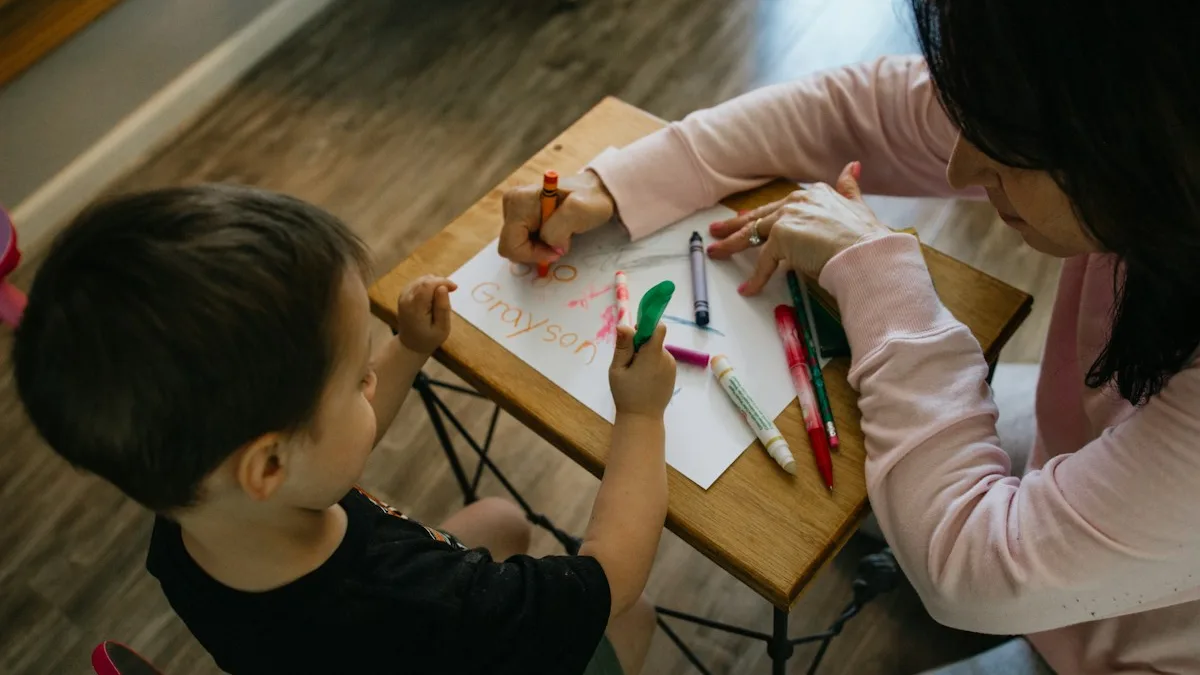
It's one of the hardest questions parents can ask. Children and teenagers naturally go through emotional, behavioral, and developmental changes. Not every difficult week means something is wrong. But sometimes a change in behavior, mood, school performance, sleep, or relationships can signal that a child needs additional support.
The National Institute of Mental Health recommends talking with a health professional when "concerning behaviors or symptoms persist for weeks or months and interfere with a child's daily life at home, school, or with friends." The goal isn't to label every behavior — it's to understand what may be happening and whether your child needs support.
Is This Just a Phase or Something I Should Be Concerned About?
There isn't one symptom that automatically means a child needs psychiatric care. Instead, pay attention to patterns, persistence, changes from your child's usual behavior, and the effect those changes have on everyday functioning.
1. Major Changes in Mood
You may notice:
- Persistent sadness or frequent irritability
- Intense emotional reactions
- Loss of interest in activities they previously enjoyed
- Significant mood changes
- Increased frustration or anger
Children don't always describe depression as feeling "sad." The NIMH notes that "symptoms can present differently depending on age and may include irritability, withdrawal, low energy, or loss of interest."
2. Persistent Anxiety or Fear
Some anxiety is a normal part of childhood. However, consider seeking professional guidance if worry or fear begins interfering with everyday life. Examples may include:
- Frequent worrying or fear of school
- Avoiding activities
- Separation difficulties
- Frequent reassurance-seeking
- Physical complaints associated with anxiety
3. Changes in Sleep
Pay attention to significant changes such as sleeping much more or less than usual, frequent nightmares, difficulty falling asleep, or excessive daytime sleepiness. Persistent sleep changes — particularly when accompanied by other symptoms — are worth discussing with a healthcare professional.
4. A Drop in School Performance
A sudden or sustained decline in grades, concentration, attendance, motivation, or classroom behavior can sometimes indicate a child is struggling. Possible contributing factors include:
- Anxiety or depression
- ADHD or learning difficulties
- Bullying or family stress
- Trauma or sleep problems
5. Social Withdrawal
If a child who previously enjoyed spending time with friends suddenly begins withdrawing from family or social activities, that change deserves attention. The NIMH lists "increasing isolation and avoidance of social activities" among warning signs in older children and adolescents. What matters is whether the change is significant, persistent, distressing, or affecting functioning.
What About ADHD?
Attention problems don't automatically mean a child has ADHD. Difficulty concentrating can also occur with anxiety, depression, sleep problems, learning difficulties, stress, or other circumstances. A proper evaluation looks at the broader pattern rather than one isolated behavior. LMHS provides ADHD evaluation and treatment for children and adolescents as part of its mental health services.
What Does a Child Mental Health Evaluation Involve?
A comprehensive evaluation isn't simply a checklist of symptoms. According to NIMH, "assessment may involve talking with parents about the child's developmental history, temperament, relationships, medical history, interests, and previous treatment." Information from school may also be considered, and the child may be interviewed or observed when appropriate.
Does My Child Automatically Need Medication?
No. An evaluation does not automatically mean medication. Treatment depends on the child's symptoms, diagnosis or clinical concerns, developmental stage, and treatment needs. Depending on the situation, recommendations may include:
- Therapy
- Behavioral strategies
- Family support
- School-based support
- Further psychological or educational assessment
- Medication
- A combination of approaches
- Monitoring over time
When Should Parents Seek Help?
A useful question isn't: "Is my child's behavior normal?" Instead, ask: "Is this change persistent, causing distress, or interfering with my child's ability to function?" NIMH recommends seeking professional guidance when "concerning symptoms last for weeks or longer, cause significant distress, or interfere with functioning at home, school, or with friends." If a child is in immediate danger or is talking about wanting to hurt themselves, seek urgent professional help rather than waiting for a routine appointment.
Child & Adolescent Mental Health Care in Loudoun County
Lansdowne Mental Health Services provides specialized child and adolescent psychiatric care for children and teens in Lansdowne, Ashburn, Leesburg, and across Loudoun County. Services include evaluation and treatment for ADHD, anxiety, depression, autism, behavioral difficulties, and trauma-related concerns. Dr. Sangeeta Chitlu, MD is a board-certified child and adolescent psychiatrist accepting new patients. Located at 19440 Golf Vista Plaza, Suite 230, Lansdowne, VA 20176. Phone: (571) 510-0607.
Frequently Asked Questions
How do I know if my child needs a psychiatrist?
Consider speaking with a healthcare professional if emotional or behavioral symptoms persist, cause significant distress, or interfere with your child's functioning at home, school, or with friends.
What are signs of anxiety in children?
Persistent worry or fear, avoidance of activities, school refusal, separation difficulties, and physical complaints without a clear medical cause can be among the signs.
Can a child have anxiety and ADHD at the same time?
Children can experience more than one mental health or neurodevelopmental condition. A comprehensive evaluation helps clinicians understand the different symptoms and how they may relate to one another.
What happens during a child psychiatric evaluation?
The clinician may gather information from parents and the child, review developmental and medical history, discuss school and social functioning, and consider other assessments when appropriate.
Should I talk to my child's pediatrician first?
A pediatrician can be a useful starting point and can help determine whether referral to a mental health professional may be appropriate.
Ready to Take the Next Step?
Our experienced providers are here to help. Schedule an appointment today.